


STBL integrates Ondo’s USDY to redefine how stablecoins generate yield
Coinpedia
2025-10-10 13:05

STBL.com (“STBL”), the next-generation stablecoin protocol, has announced a strategic collaboration with Ondo Finance, the leader in real-world asset tokenization. The partnership unlocks up to $50 million in USST minting capacity, backed by Ondo’s USDY, a tokenized yieldcoin secured by short-term U.S. Treasuries and bank demand deposits.

The integration signals a new era in stablecoin design, where institutional-grade, yield-bearing assets become the foundation for on-chain stability. As tokenized Treasuries and real-world assets (RWAs) continue to surge, STBL’s use of USDY as primary collateral showcases how blockchain-based money can evolve to deliver both stability and real yield.

A new model for stablecoin reserves

Unlike traditional stablecoins, which direct yield to issuers, STBL’s architecture returns profits to users who provide collateral. By incorporating USDY, a product backed by Treasuries and cash assets, the protocol strengthens its reserve model with transparent, yield-generating instruments designed for institutional scale.

“We’re excited that Ondo USDY is set to drive STBL’s growth with $50 million in reserve capacity, demonstrating how institutional-grade, tokenized yield-bearing reserves underpin the future of the digital asset ecosystem”, said Ian De Bode, Chief Strategy Officer at Ondo Finance. “USDY’s investor protections, seamless composability, and permissionless design make it the ideal form of collateral for the next wave of stablecoin innovation.”

“Stablecoin design has to catch up with reality: the world is moving to tokenized reserves”, added Dr. Avtar Sehra, Co-Founder and CEO of STBL. “Our framework is built for this new paradigm—multi-tier, overcollateralized, and engineered to scale stability and yield together.”

Bridging DeFi with institutional finance

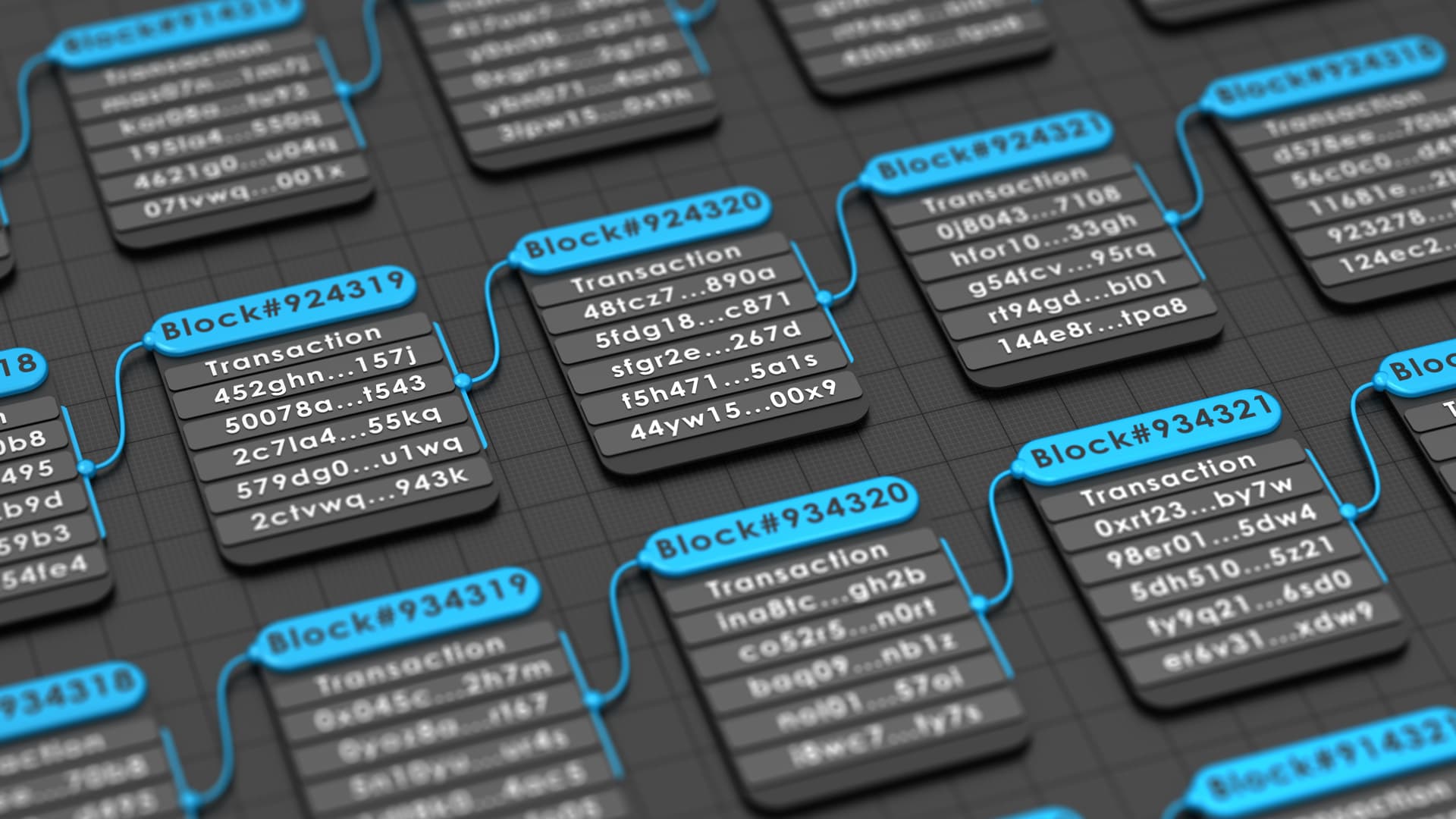
STBL’s model separates principal and yield into two assets: USST, the payment stablecoin fully backed by principal value, and YLD, a yield-bearing NFT tied to the underlying RWAs. This ensures USST remains a freely transferable, non-interest-bearing stable asset, while yield rights stay ring-fenced for eligible holders, meeting emerging regulatory standards.

“The first era of stablecoins concentrated value with issuers. STBL flips that script so the benefits of the collateral flow back to those who provide it”, said Reeve Collins, Co-Founder and Chairman of STBL. “Partnering with Ondo helps us extend that alignment into the heart of the reserves.”

With this collaboration, STBL demonstrates how programmable, compliant capital can merge transparency, yield, and usability, bridging the gap between DeFi and institutional-grade finance. The protocol’s first phase of USST minting launches October 10, marking the start of a new chapter for stablecoin infrastructure built on tokenized real-world assets.

Tip
$0
Like
0
Save
0
Views 238
HKWDB reminds readers to view blockchain rationally, stay aware of risks, and beware of virtual token issuance and speculation. All content on this site represents market information or related viewpoints only and does not constitute any form of investment advice. If you find sensitive content, please click“Report”,and we will handle it promptly。
Submit
Comment 0
Hot
Latest
No comments yet. Be the first!
Related
Intel experiences its largest single-day decline in over forty years; the NASDAQ falls nearly 3%, gold drops to a one-year low, and crude oil continues to rise for four months in a row.
Amazon and Intel's financial reports disappointed the market. Investors are increasingly skeptical about the returns on the huge AI expenditures of these tech giants. All three major U.S. stock indices closed lower, with tech stocks leading the decline, while energy and essential consumer goods sectors performed strongly against the trend. Driven by the Middle East situation, crude oil prices rose to a six-month high; U.S. Treasury yields fell, gold dropped to a one-year low, and Bitcoin lost its support below $77,000.
Wallstreetcn
·2026-10-31 22:30:06
24
I went on vacation with two iPhone, and Duo convinced me to do so.
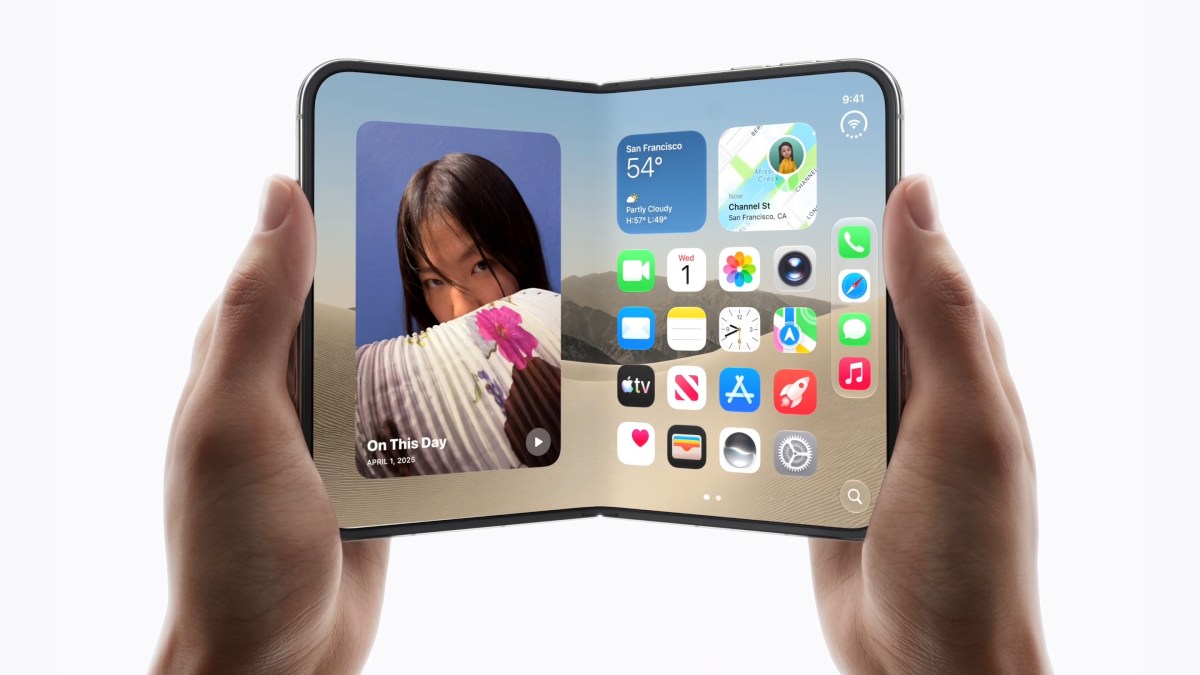
The author tried out Apple's new iPhone Duo during a five-day vacation. Initially, due to application issues, Touch ID, and the camera, among other factors, they considered returning to their original iPhone. However, by the end of the trip, they changed their mind, finding that although this foldable phone has its shortcomings, it is indeed fascinating.
TechCrunch
·2026-10-31 22:21:57
27
Neuberger Next Generation Connectivity Fund Announces an Increase in Allocation Rate and Reveals the Monthly Allocation for Next Month
Neuberger Next Generation Connectivity Fund Inc. (NYSE : NBXG) announces a distribution of $0.132 per common share, to be paid on November 30, 2026, with the record date and ex-dividend date both set for November 16, 2026. The fund states that under its actively managed distribution policy, future monthly distributions are expected to be $0.132 per share, but whether this can be maintained depends on market conditions, investment returns, capital gains, and expenses, among other factors.
PR Newswire
·2026-10-31 22:21:54
28
After Binance was attacked by hackers, how should investors protect the security of their crypto assets?
On October 29, Binance was attacked by hackers, with an estimated loss of $6.3 billion, which has drawn external attention to the recovery of stolen funds, the exchange's compensation commitments, and the lack of a similar deposit insurance protection mechanism for crypto assets like FDIC. Experts say that whether an exchange compensates usually depends on its own willingness and financial capability, and while self-hosting by individuals can reduce some platform risks, it also brings new security hazards.
CNBC
·2026-10-31 22:11:08
32
Intel's market value evaporated by nearly 29% in a single day: High demand for AI, so why has the chip manufacturer seen a decline?
Intel's market value evaporated by nearly 29% on October 30, despite its artificial intelligence business experiencing the fastest growth in years. The company's revenue in the third quarter increased by 21% to $16.5 billion, with revenue from its data center and AI divisions growing by 78% to $7.3 billion. However, limited production capacity, an accident at a factory in Israel, and weak performance in the PC business led to fourth-quarter guidance that fell short of Wall Street's expectations.
Coinpaper
·2026-10-31 22:03:41
34
View More