



AI The craze brings a multiplier effect: Running Ethereum from home is now easier than ever, Vitalik confirms
U.Today
09-26 21:22
Ai Focus
The local AI hardware boom has unexpectedly alleviated the high hardware costs faced by Ethereum end-users. Vitalik Buterin mentioned that after optimization, his own Geth node only occupies 461 GiB; with EIP-4444 and snap sync optimizations, the synchronization time for a full node has been reduced to about 12 hours, and the disk requirement has dropped to below 0.5 TB. The article also mentions that a Glamsterdam hard fork and privacy-supported kohaku-cli wallet projects are in progress.
Helpful
No.Help

Disclaimer: The views expressed by the author of this article represent only their personal opinions and do not represent the views of U.Today. The financial and market information provided by U.Today is for reference only. U.Today is not responsible for any financial losses incurred from trading cryptocurrencies. Before making any investment decisions, please consult a financial expert and conduct your own research. We believe that the content of this article was accurate at the time of publication, but some of the discounts mentioned may no longer be applicable.

The local AI hardware boom has unexpectedly solved one of Ethereum's main infrastructure problems: the high cost of hardware for end-users.

Ethereum co-founder Vitalik Buterin confirmed this synergistic effect and demonstrated his own Geth node configuration: after optimization, it only occupies 461 GiB. Nowadays, many enthusiasts are purchasing high-performance workstations in large quantities to run large language models LLM locally and privately, and the specifications of these devices have surpassed the technical requirements of blockchain nodes.

Therefore, the excess local computing power is transforming home computers from terminals for accessing other people's cloud services into independent computing nodes. This hardware enables users to run AI tasks, independently verify blockchains, and conduct secure transactions, completely eliminating intermediaries.

How Ethereum Adapts to the New Reality

Thanks to the integration of the EIP-4444 standard and the optimization of snap and sync, a complete node can now be synchronized in about 12 hours, and the disk requirement has been reduced to below 0.5 TB.

For users of AI devices equipped with GPU, such as the NVIDIA RTX 5090 graphics card or the DGX Spark system, these requirements can be almost ignored. The high-speed, large-capacity NVMe solid-state drives used to store the weights of the AI model are usually already part of their computer configurations; therefore, running the node is just an additional background process. The next hard fork Glamsterdam will further accelerate the synchronization speed of the L1 infrastructure.

As node technology upgrades, the demand for privacy is also increasing. Buterin pointed out that in his own work process, he is increasingly replacing browser-based dApp with command-line interfaces (CLI). The reason lies in security: web interfaces hardcode calls to commercial RPC providers, allowing these providers to collect user metadata.

The next logical step in this trend is kohaku-cli, which is a command-line wallet developed with the support of the Ethereum Foundation. The project aims to provide privacy protection out of the box and is currently testing private balance management functions on alpha. It also integrates protocols such as Tornado Cash, Railgun, and Privacy Pools among others.

Tip
$0
Like
0
Save
0
Views 401
HKWDB reminds readers to view blockchain rationally, stay aware of risks, and beware of virtual token issuance and speculation. All content on this site represents market information or related viewpoints only and does not constitute any form of investment advice. If you find sensitive content, please click“Report”,and we will handle it promptly。
Submit
Comment 0
Hot
Latest
No comments yet. Be the first!
Related
CFTC Chairman Says Binance Hacker Attack Indicates That Offshore Exchanges Need US Regulation
Michael Selliger, chairman of the U.S. Commodity Futures Trading Commission (CFTC), stated that the $6.4 billion hack incident at Binance “precisely demonstrates” the necessity of the crypto market regulations proposed by the agency this month. He described the attack as being more likely caused by a vulnerability introduced through a laptop rather than a flaw in the blockchain itself; however, Binance later indicated that the investigation had uncovered “more entry points” for the attack.
Decrypt
·2026-10-31 23:10:23
9
Intel experiences its largest single-day decline in over forty years; the NASDAQ falls nearly 3%, gold drops to a one-year low, and crude oil continues to rise for four months in a row.
Amazon and Intel's financial reports disappointed the market. Investors are increasingly skeptical about the returns on the huge AI expenditures of these tech giants. All three major U.S. stock indices closed lower, with tech stocks leading the decline, while energy and essential consumer goods sectors performed strongly against the trend. Driven by the Middle East situation, crude oil prices rose to a six-month high; U.S. Treasury yields fell, gold dropped to a one-year low, and Bitcoin lost its support below $77,000.
Wallstreetcn
·2026-10-31 22:30:06
25
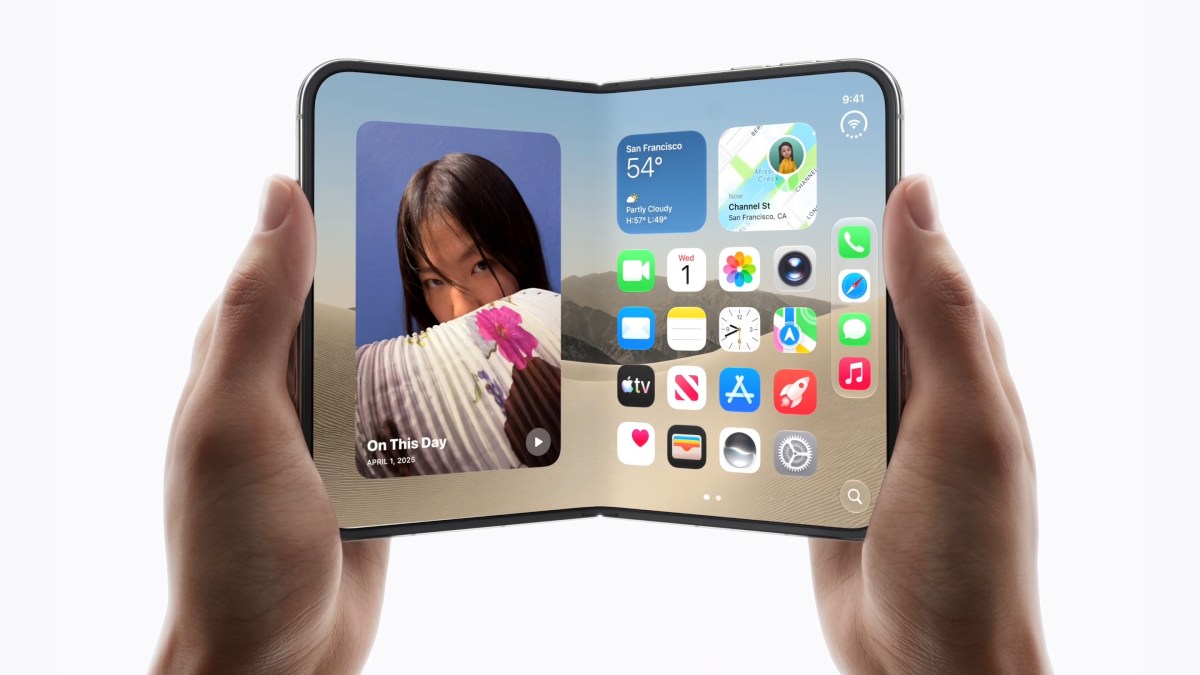
I went on vacation with two iPhone, and Duo convinced me to do so.
The author tried out Apple's new iPhone Duo during a five-day vacation. Initially, due to application issues, Touch ID, and the camera, among other factors, they considered returning to their original iPhone. However, by the end of the trip, they changed their mind, finding that although this foldable phone has its shortcomings, it is indeed fascinating.
TechCrunch
·2026-10-31 22:21:57
27
Neuberger Next Generation Connectivity Fund Announces an Increase in Allocation Rate and Reveals the Monthly Allocation for Next Month
Neuberger Next Generation Connectivity Fund Inc. (NYSE : NBXG) announces a distribution of $0.132 per common share, to be paid on November 30, 2026, with the record date and ex-dividend date both set for November 16, 2026. The fund states that under its actively managed distribution policy, future monthly distributions are expected to be $0.132 per share, but whether this can be maintained depends on market conditions, investment returns, capital gains, and expenses, among other factors.
PR Newswire
·2026-10-31 22:21:54
28
After Binance was attacked by hackers, how should investors protect the security of their crypto assets?
On October 29, Binance was attacked by hackers, with an estimated loss of $6.3 billion, which has drawn external attention to the recovery of stolen funds, the exchange's compensation commitments, and the lack of a similar deposit insurance protection mechanism for crypto assets like FDIC. Experts say that whether an exchange compensates usually depends on its own willingness and financial capability, and while self-hosting by individuals can reduce some platform risks, it also brings new security hazards.
CNBC
·2026-10-31 22:11:08
33
View More