



Web3: Trump family's crypto project WLFI embroiled in controversy again
Fortune
07-28 04:12
Ai Focus
The Trump family's crypto project WLFI has once again come under the spotlight from foreign media, involving consultant recruitment, the Justin Sun lawsuit, and a sharp drop in token prices.
Helpful
No.Help

Foreign media reports indicate that World Liberty Financial (WLFI), the Trump family's crypto project, approached crypto venture capitalist Nic Carter during its early stages of development in 2024, inviting him to serve as an advisor. However, Carter ultimately declined, believing the project team at the time had limited understanding of the crypto business and a unclear product direction.

Consultant recruitment details revealed

According to a New York magazine investigation into WLFI, Steve Witkoff, a current advisor to Trump and co-founder of WLFI, communicated with Carter at the time. Carter recalled that during the conversation, Witkoff was unfamiliar with crypto, DeFi, and the project's presentation, leading him to conclude that the project was more like a "pre-launch token" rather than having a clearly defined product.

Carter also mentioned a detail that struck him: when Witkoff explained why Trump started paying attention to the project, he mentioned that Barron Trump was in contact with meme coins but didn't even know how to pronounce the term. This statement was subsequently used by foreign media as evidence of the project's lack of early preparation.

How to start WLFI

WLFI was first teased on social media by Trump and his two eldest sons in August 2024. A month later, the project released a so-called "Gold Paper," positioning itself as a decentralized finance project with the goal of expanding the accessibility of financial opportunities.

The document lists Trump, his three children, and Steve Witkoff as co-founders. It also includes Witkoff's two sons, network marketers Chase Herro and Zak Folkman. Both Trump and Witkoff resigned from their positions at WLFI after Trump took office as President of the United States in January 2025.

Justin Sun's involvement led to a falling out with him.

Reports indicate that TRON founder Justin Sun transferred $45 million to WLFI in 2024 in exchange for WLFI tokens, and subsequently joined the project's advisory team. Foreign media reports suggest that Sun's involvement significantly increased the project's market attention and helped WLFI attract more funding.

However, the relationship between the two parties subsequently deteriorated. In April of this year, Sun sued WLFI, accusing it of fraud and breach of contract, and froze its holdings of WLFI tokens. WLFI, in turn, filed a defamation lawsuit against Sun, and the dispute between the two parties has entered the litigation stage.

From a market perspective, the WLFI token has fallen by more than 80% in price since it began trading on the public market last September, resulting in significant losses for holders. This recent foreign media report has brought renewed attention to the project's early operations, internal roles, and relationships with major investors.

Tip
$0
Like
0
Save
0
Views 586
HKWDB reminds readers to view blockchain rationally, stay aware of risks, and beware of virtual token issuance and speculation. All content on this site represents market information or related viewpoints only and does not constitute any form of investment advice. If you find sensitive content, please click“Report”,and we will handle it promptly。
Submit
Comment 0
Hot
Latest
No comments yet. Be the first!
Related
CFTC Chairman Says Binance Hacker Attack Indicates That Offshore Exchanges Need US Regulation
Michael Selliger, chairman of the U.S. Commodity Futures Trading Commission (CFTC), stated that the $6.4 billion hack incident at Binance “precisely demonstrates” the necessity of the crypto market regulations proposed by the agency this month. He described the attack as being more likely caused by a vulnerability introduced through a laptop rather than a flaw in the blockchain itself; however, Binance later indicated that the investigation had uncovered “more entry points” for the attack.
Decrypt
·2026-10-31 23:10:23
11
I went on vacation with two iPhone, and Duo convinced me to do so.
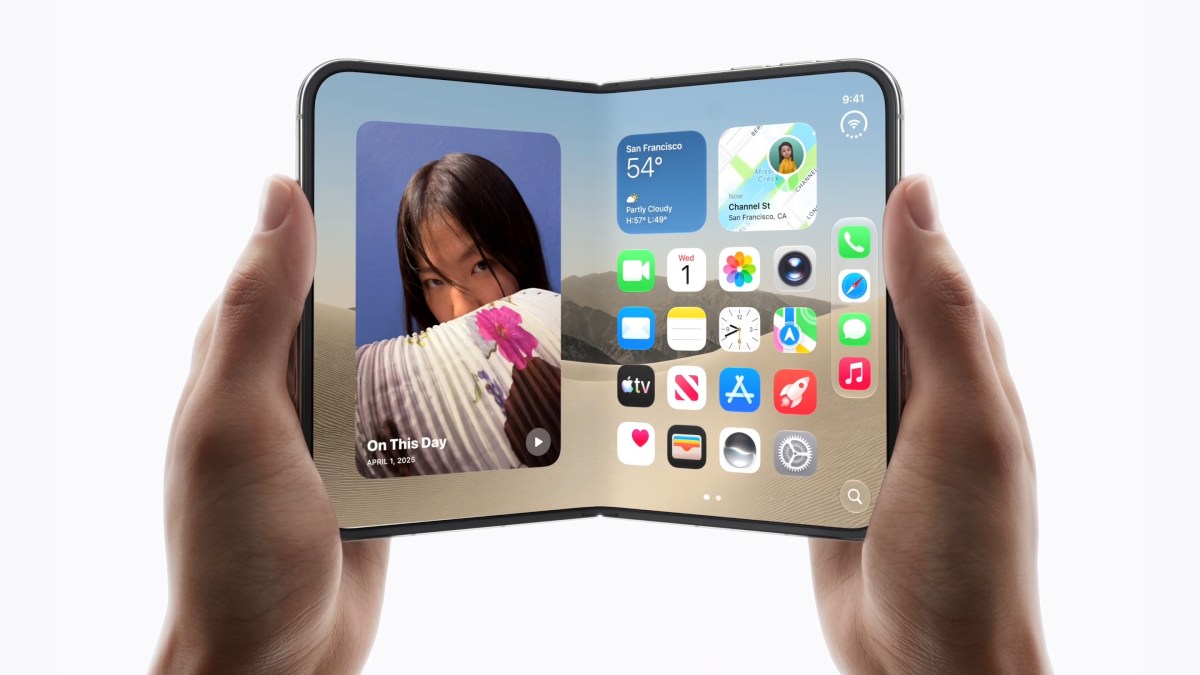
The author tried out Apple's new iPhone Duo during a five-day vacation. Initially, due to application issues, Touch ID, and the camera, among other factors, they considered returning to their original iPhone. However, by the end of the trip, they changed their mind, finding that although this foldable phone has its shortcomings, it is indeed fascinating.
TechCrunch
·2026-10-31 22:21:57
34
Neuberger Next Generation Connectivity Fund Announces an Increase in Allocation Rate and Reveals the Monthly Allocation for Next Month
Neuberger Next Generation Connectivity Fund Inc. (NYSE : NBXG) announces a distribution of $0.132 per common share, to be paid on November 30, 2026, with the record date and ex-dividend date both set for November 16, 2026. The fund states that under its actively managed distribution policy, future monthly distributions are expected to be $0.132 per share, but whether this can be maintained depends on market conditions, investment returns, capital gains, and expenses, among other factors.
PR Newswire
·2026-10-31 22:21:54
34
After Binance was attacked by hackers, how should investors protect the security of their crypto assets?
On October 29, Binance was attacked by hackers, with an estimated loss of $6.3 billion, which has drawn external attention to the recovery of stolen funds, the exchange's compensation commitments, and the lack of a similar deposit insurance protection mechanism for crypto assets like FDIC. Experts say that whether an exchange compensates usually depends on its own willingness and financial capability, and while self-hosting by individuals can reduce some platform risks, it also brings new security hazards.
CNBC
·2026-10-31 22:11:08
37
SEC is following AI Company: When will hype turn into securities fraud?
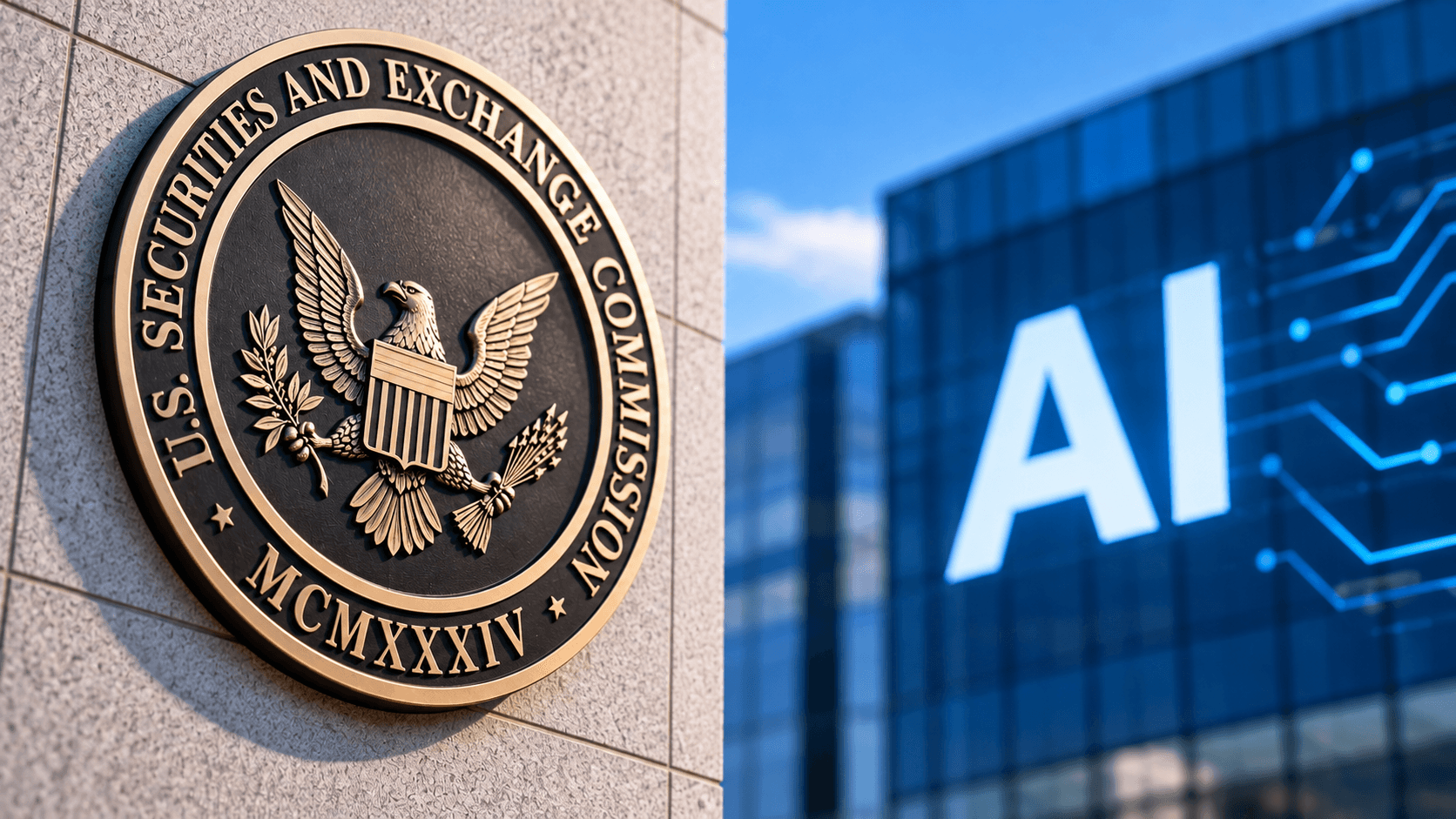
Reuters cited the head of enforcement at the U.S. Securities and Exchange Commission, David Woodcock, on October 30th, stating that SEC is reviewing the information disclosure of AI company, focusing on issues such as inflated valuations, circular investments, and massive infrastructure commitments. The article points out that "AI whitewashing" that exaggerates or distorts the capabilities, adoption, or financial earnings of AI may violate securities laws if it involves significant false statements or omissions.
Coinpaper
·2026-10-31 22:03:36
21
View More