











Foreign media reports that Layer, a project under Robinhood, has entered the top ranks of the most active decentralized blockchains just less than two months after its launch on Robinhood Chain. On August 25th, the blockchain recorded a daily trading volume of approximately 945 million US dollars, setting a new high, which has prompted the market to re-evaluate the speed at which this brokerage firm is advancing in blockchain infrastructure.
Top five within two months
Robinhood Chain launched its public beta mainnet on July 1st, built upon Arbitrum Orbit, and uses Ethereum as the settlement layer, with Gas tokens serving as the ETH. According to the article, as of the end of August, this chain had accumulated a trading volume of over $47 billion, with a daily trading volume of about $15 billion, ranking it in the top five among all chains, just behind Solana, BNB Chain, Ethereum, and Base.
In addition to trading volume, the scale of locked positions on the chain has also risen rapidly. Its TVL increased from approximately 4 million US dollars in June to about 1.4 billion US dollars by the end of August. On August 25th alone, Robinhood Chain processed around 5.5 million transactions, with the daily trading volume of tokenized stocks reaching 85 million US dollars.
Three types of transactions collectively drive up activity levels.
The article argues that this round of increased trading volume was not driven by a single asset, but rather by the simultaneous expansion of three types of transactions.
The first category is memecoin. The text mentions that Pons once contributed nearly half of the DEX trading volume of that chain, indicating that a single popular token can still significantly affect the overall performance of the chain-level data.
The second category is tokenized stocks. Robinhood will be launched simultaneously with the mainnet, covering targets such as NVIDIA, Apple, GameStop, and SpaceX. These tokens provide economic exposure rather than legal ownership of stocks. As of August 21st, the cumulative trading volume of tokenized stocks through Uniswap has exceeded 1 billion US dollars.
The third category is leveraged derivatives. On August 25th, Arcus launched pTokens, which encapsulated leveraged perpetual positions into tradable ERC-20 tokens, such as pBTC3x and pHOOD3x. The platform also began to accept tokenized stocks as collateral, with a loan-to-value ratio of 50%.
Can the zero-commission subsidy continue?
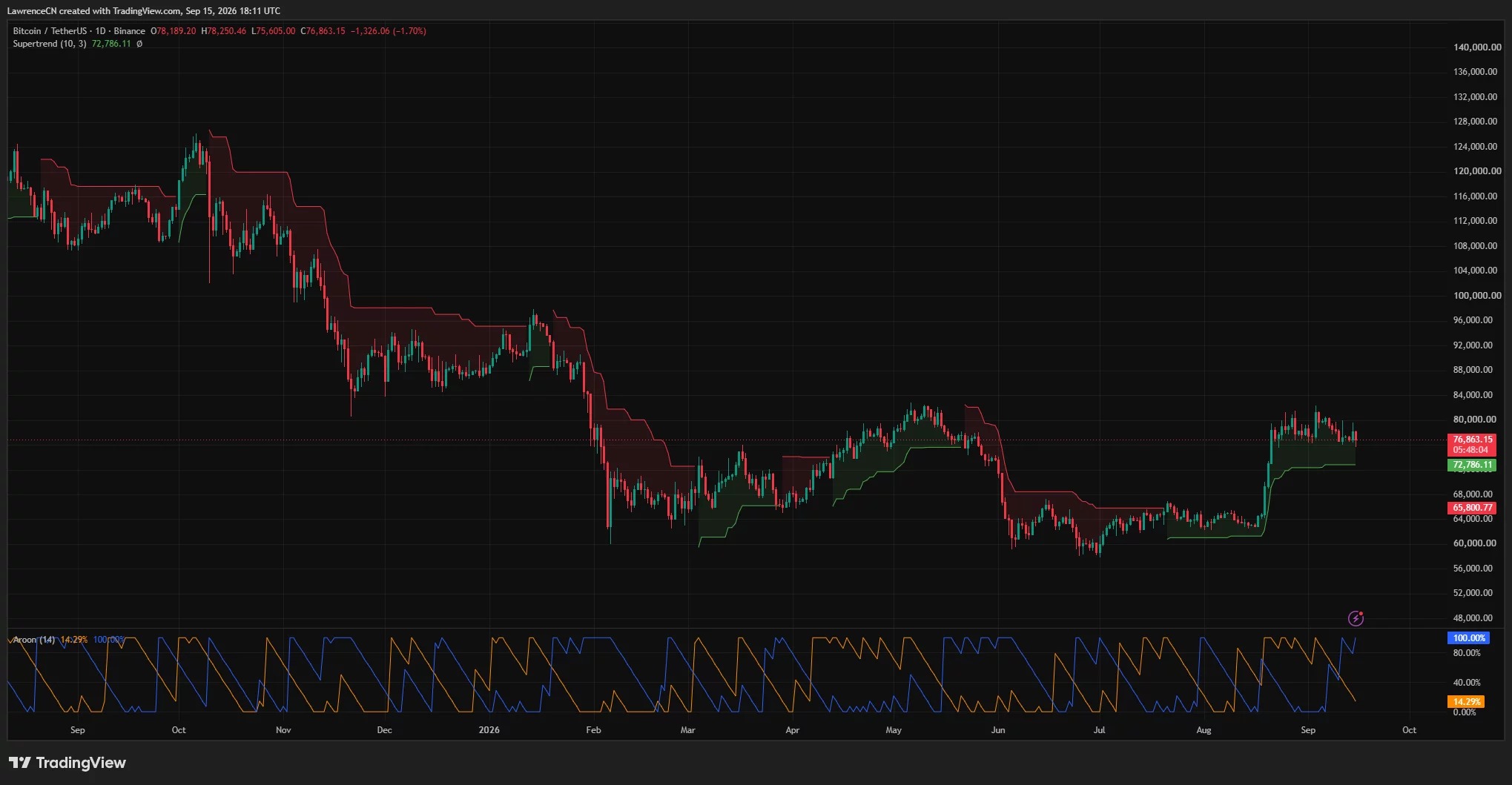
The article points out that the current activity of Robinhood Chain is also driven by fee subsidies. This chain offers a 90-day Gas subsidy that lasts until the end of September 2026. For traders, the zero-commission environment reduces the cost of quickly switching between different assets, which further amplified the demand for transactions on the chain when Bitcoin and Ethereum both strengthened in the mid-to-late part of August.
Stablecoin funds also support this trading ecosystem. By the end of August, the market value of stablecoins on Robinhood Chain was approximately 640 million US dollars, of which USDe of Ethena accounted for the main inflow. Robinhood Earn, launched alongside the mainnet, provides a yield of about 7% for the stablecoin USDG developed in collaboration with Paxos, which is used to retain funds on the chain.
base and revenue foundation brought by Robinhood
The article argues that the advantages of Robinhood are not limited to the technical aspect. Unlike most Layer projects that first build a blockchain network before attracting users, Robinhood has already established ready-made retail trading channels, including 27 million funded brokerage accounts, existing wallet products, and years of experience in compliant operations.
Revenue performance is also considered an important support for this blockchain. The article states that Robinhood Chain generated approximately $3.6 million in transaction fees in July, accounting for 38% of the estimated total Ethereum Layer fee revenue for that month. Under Arbitrum Expansion Program, 8% of the chain's revenue goes into a treasury controlled by the governance token holders, 2% is used for developer organizations, and the remainder is retained by Robinhood.
The article also points out that what truly needs to be observed next is not whether Robinhood Chain can continue to generate trading volume, but whether these transactions will remain on the chain after the subsidy ends, and whether the combination of tokenized stocks, stablecoins, and on-chain derivatives will change the way traditional brokers interact with DeFi.